
Long-read DNA and RNA Sequencing Special Collection
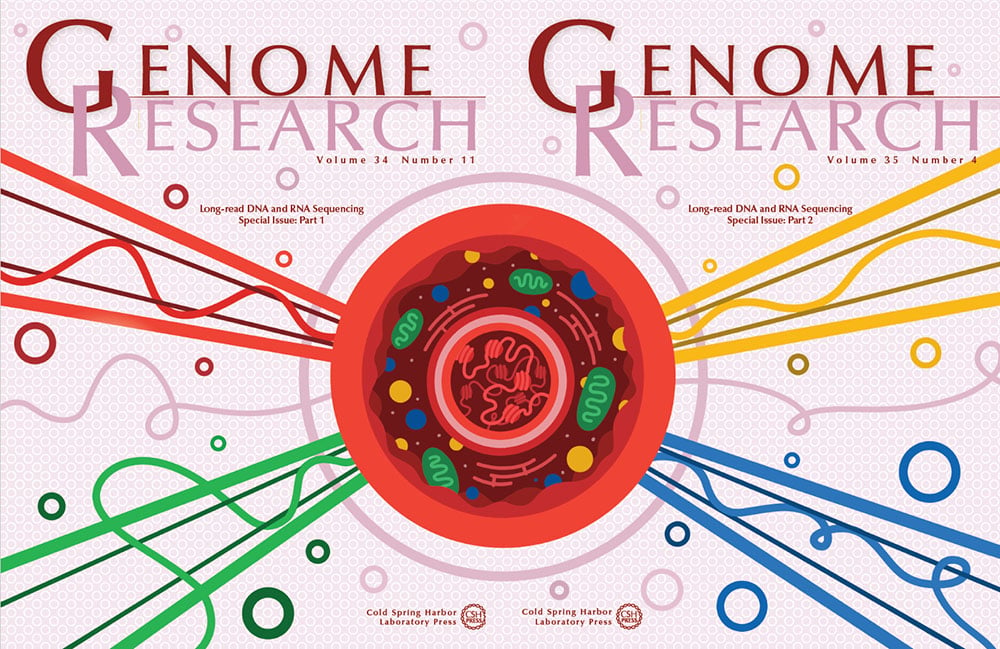
Genome Research presents this collection comprising Part 1 and Part 2 of the Special Issue on Long-read DNA and RNA Sequencing Applications in Biology and Medicine, Guest Edited by Drs. Ana Conesa, Alexander Hoischen, and Fritz Sedlazeck, and related research and review articles highlighting novel applications and developments in long-read sequencing. Articles in these issues focus on original research offering novel biological and clinical insights gained using long-read DNA and RNA sequencing technologies and other long molecule approaches. This collection also offers significant advances in long-read sequencing analysis, including novel methods for genome assembly and annotation, characterization of complex structural variation, prioritization of disease variants, DNA and RNA modification, and mRNA and protein isoform diversity. Advances in vaccine and gene therapy, tumor cell-free DNA profiling, bacterial surveillance, and single-cell and spatial long-read sequencing are also featured. Reviews and Perspectives cover the impact and advantages of using long-read sequencing, the remaining challenges, and include advances and insights in technology, rare disease, cancer, population genomics, transcriptomics, and epigenomics.
Illustration by Alex Cagan, University of Cambridge.
Meet the Guest Editors
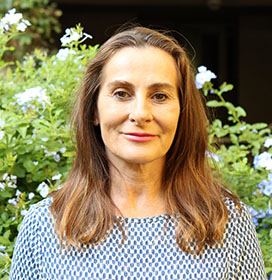
Ana Conesa is Research Professor at the Institute for Integrative Systems Biology of the Spanish National Research Council (CSIC). She is member Spanish Royal Academy of Engineer, Fellow of the International Society for Computational Biology, honorary member of the Spanish Society of Bioinformatics and Computational Biology. She coordinates the CSIC Connection for Computational Biology and Bioinformatics. Dr. Conesa’s lab is renowned for developing computational tools that facilitate the analysis and integration of transcriptomics and multi-omics data, with a strong focus on uncovering the functional aspects of gene expression on a genome-wide scale. Among her group’s widely-used tools are Blast2GO, PaintOmics, maSigPro, NOISeq, and Qualimap. Her team has been at the forefront of creating tools for long-read transcriptomics analysis and co-leads the international consortium LRGASP, dedicated to benchmarking long-read methods for transcript identification and quantification. Currently, she leads the LongTREC EU consortium, aimed at advancing next-generation bioinformatics tools to support the transition to long-read RNA sequencing. She is also the co-founder of Biobam Bioinformatics, a company that offers user-friendly software solutions for biologists.
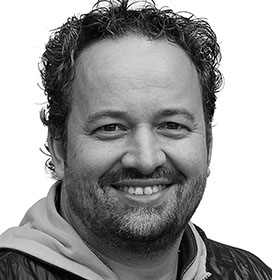
Alexander Hoischen’s heads the research group ‘Genomic Technologies for Immune-Mediated and Infectious Diseases’ at Radboud University Medical Center, which builds expertise in the identification of rare disease genes using the latest genomics tools. His group was the first to identify a disease-causing dominant de novo mutation for a Mendelian disorder by exome sequencing, followed by several disease gene discoveries. Recent efforts particularly include applications of long-read sequencing and optical genome mapping to undiagnosed rare disease cases. A new focus are the genetic basis of immune diseases, with the most recent identification of a novel immunodeficiency that predisposes men to severe COVID-19, and a missing SCID gene. Dr. Hoischen co-leads a work package in the EU-funded H2020 project SOLVE-RD (www.solve-rd.eu), which will be followed-up by his work package–lead in the newly funded ERDERA project (https://erdera.org), both with strong focus of long-read sequencing efforts in the rare disease space. Most recently he has received a VICI grant “SOLVE-IEI - Solving Enigmas of Undiagnosed Inborn Errors of Immunity”. Dr. Hoischen and his local, national, and international network of colleagues and collaborators will continue to pioneer novel and disruptive technologies that allow new scientific insights and rapid translation into clinical and diagnostic practice.
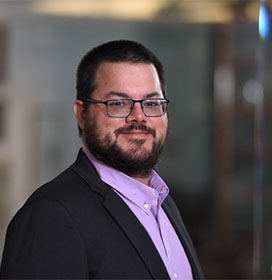
Fritz Sedlazeck is an Associate Professor at Baylor College of Medicine and an adjunct Associate Professor at Rice University. He is leading a research group since 2017 at the Human Genome Sequencing Centre at Baylor College of Medicine. His research focuses on developing computational methods to detect and analyze genomic variations with a focus on Structural Variations. Structural Variations are genomic events that manipulate multiple positions in a genome, which impact evolution, genomic disorders, regulation as well as play an important role in explaining multiple phenotypes. Dr. Sedlazeck groups focuses on the mechanisms of the formation of SV across multiple species and to improve our understanding how these complex alleles evolve and impact phenotypes. Dr Sedlazeck’s work has significantly advanced the field of structural variant detection, enabling deeper insights into mosaicism, somatic mutations, and disease-associated genetic variation. He has authored numerous impactful publications and contributed to widely-used bioinformatics tools, positioning him as a leading figure in the application of bioinformatics to genomics and precision medicine.
Long read DNA and RNA Sequencing Special Issue: Part 2
April 2025; 35 (4)
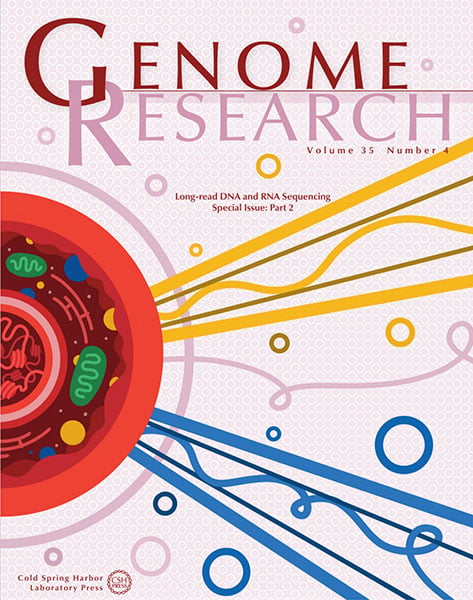 This Part 2 of the Special Issue on Long-read DNA and RNA Sequencing Applications in Biology and Medicine offers significant advances in long-read sequencing analysis, including novel methods for genome assembly and annotation, prioritization of structural variants in rare disease, characterization of complex repeats, RNA modification, mRNA and protein isoform diversity, tumor cell-free DNA profiling, and bacterial surveillance. Reviews and Perspectives include a Hitchhiker’s Guide to long-read genomic analysis, and insights into the additional diagnostic yield of long-read sequencing in undiagnosed rare diseases, the complexity of cancer, the challenges in genome annotation, population genomics, transcriptomics, and epigenomics.